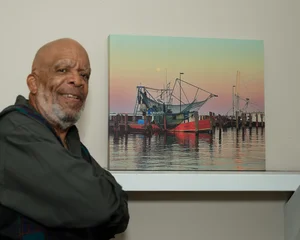

Cozumel and the Yucatán — Where My Photographic Journey Began
There is something transformative about traveling to a place for the first time with a camera in your hands. You begin with the intention of capturing what you see, but somewhere along the way, you discover that photography is about much more than making pictures. It is about learning to observe, recognizing moments, connecting with people, and developing an appreciation for the stories that exist beyond your immediate surroundings.
My first attempt at travel photography began with a journey to Cozumel and the Yucatán region of Mexico. At the time, I was exploring what it meant to photograph a destination rather than simply document a vacation. I was discovering the relationship between the photographer, the environment, and the subject. I didn't yet fully understand the direction my photographic interests would eventually take, but I was beginning to recognize something important: every destination has a story waiting to be seen.
Looking back, this journey represents more than an opportunity to visit another country. It represents the beginning of my development as a travel photographer.
Cozumel: Discovering the Caribbean Through My Lens
Where the Caribbean meets history, culture, and natural beauty.
Cozumel is an island in the Mexican Caribbean, located off the eastern coast of the Yucatán Peninsula in the state of Quintana Roo. Known for its brilliant turquoise waters, coral reefs, tropical vegetation, and welcoming island atmosphere, Cozumel offers a remarkable combination of natural beauty and cultural history.
The island has a much deeper identity than its reputation as a Caribbean vacation and cruise destination might suggest. Its Mayan heritage is an important part of its history. The ancient Maya knew the island as Cuzamil, commonly translated as the Island of the Swallows. It was also an important place of pilgrimage associated with Ixchel, a Mayan deity.
One of the island's significant historical sites is San Gervasio, an archaeological complex that provides a glimpse into the island's ancient Mayan civilization.
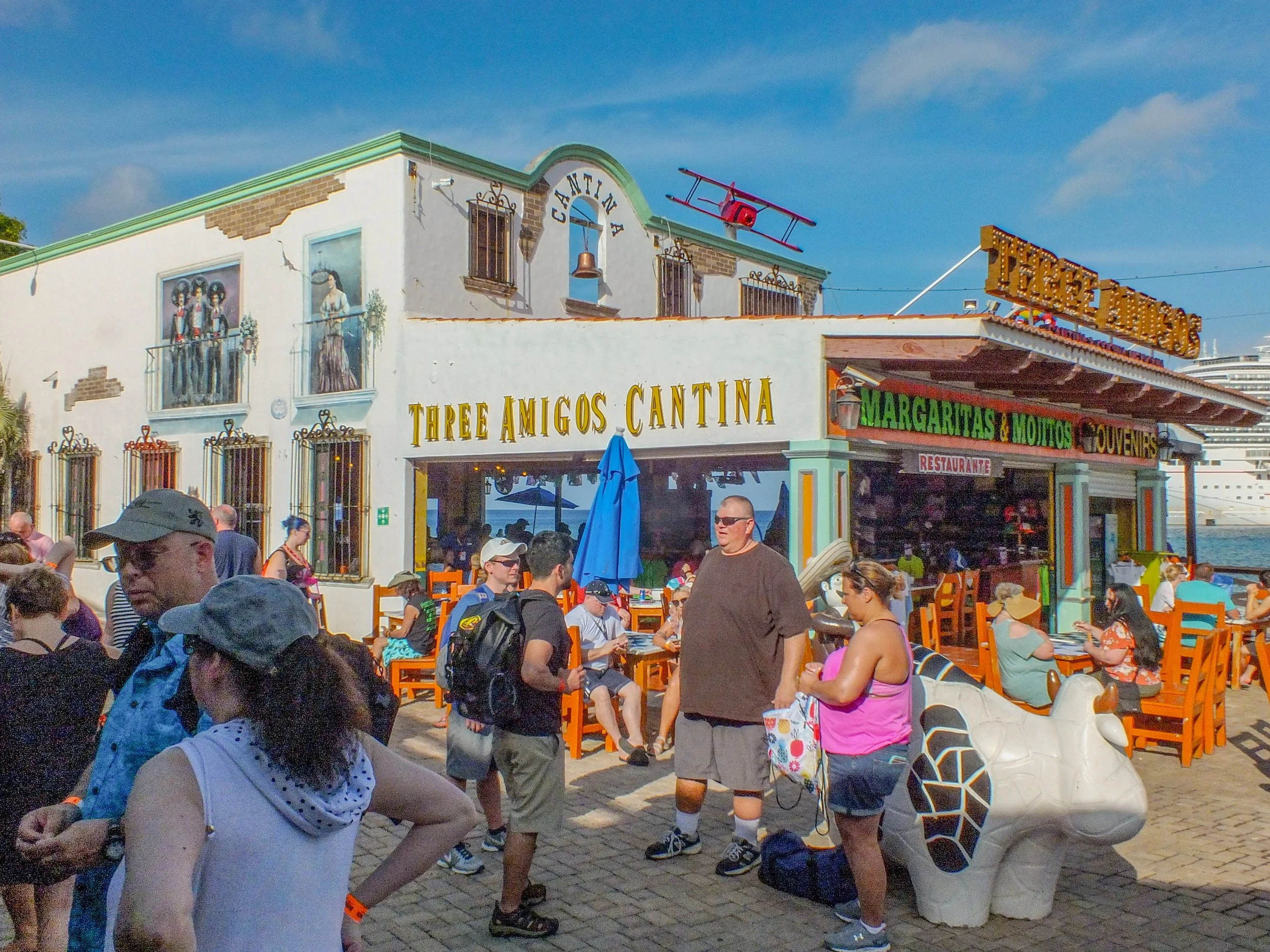
For a photographer, Cozumel offers an abundance of visual possibilities. The contrast between the Caribbean coastline, tropical landscapes, local architecture, and the everyday activities of the people creates an environment rich in photographic opportunities.
What interested me most about approaching travel photography was learning to look beyond the obvious attractions. I wanted to observe the character of the destination and recognize the visual details that communicate something about its identity.
The Yucatán: A Journey Through History and Cultural Expression
Where ancient civilization and contemporary life share the same landscape
The Yucatán Peninsula is one of Mexico's most historically and culturally significant regions. It encompasses the Mexican states of Yucatán, Quintana Roo, and Campeche, along with portions of Belize and Guatemala.
The region is closely associated with the ancient Maya civilization, whose influence remains visible in its archaeological sites, architecture, language, traditions, and cultural practices.
Places such as Chichén Itzá, Uxmal, and Ek Balam preserve remarkable examples of Mayan architecture and engineering. The landscape also features cenotes, natural freshwater sinkholes formed through the region's limestone geology. These natural formations have long held cultural and historical significance.
The state of Yucatán offers another dimension of the region's identity through its colonial architecture, colorful towns, traditional clothing, music, cuisine, and community celebrations.
Mérida, the state capital, is particularly notable for its historic architecture and cultural character. Valladolid and Izamal offer additional perspectives on the relationship between Maya heritage and colonial-era influences.
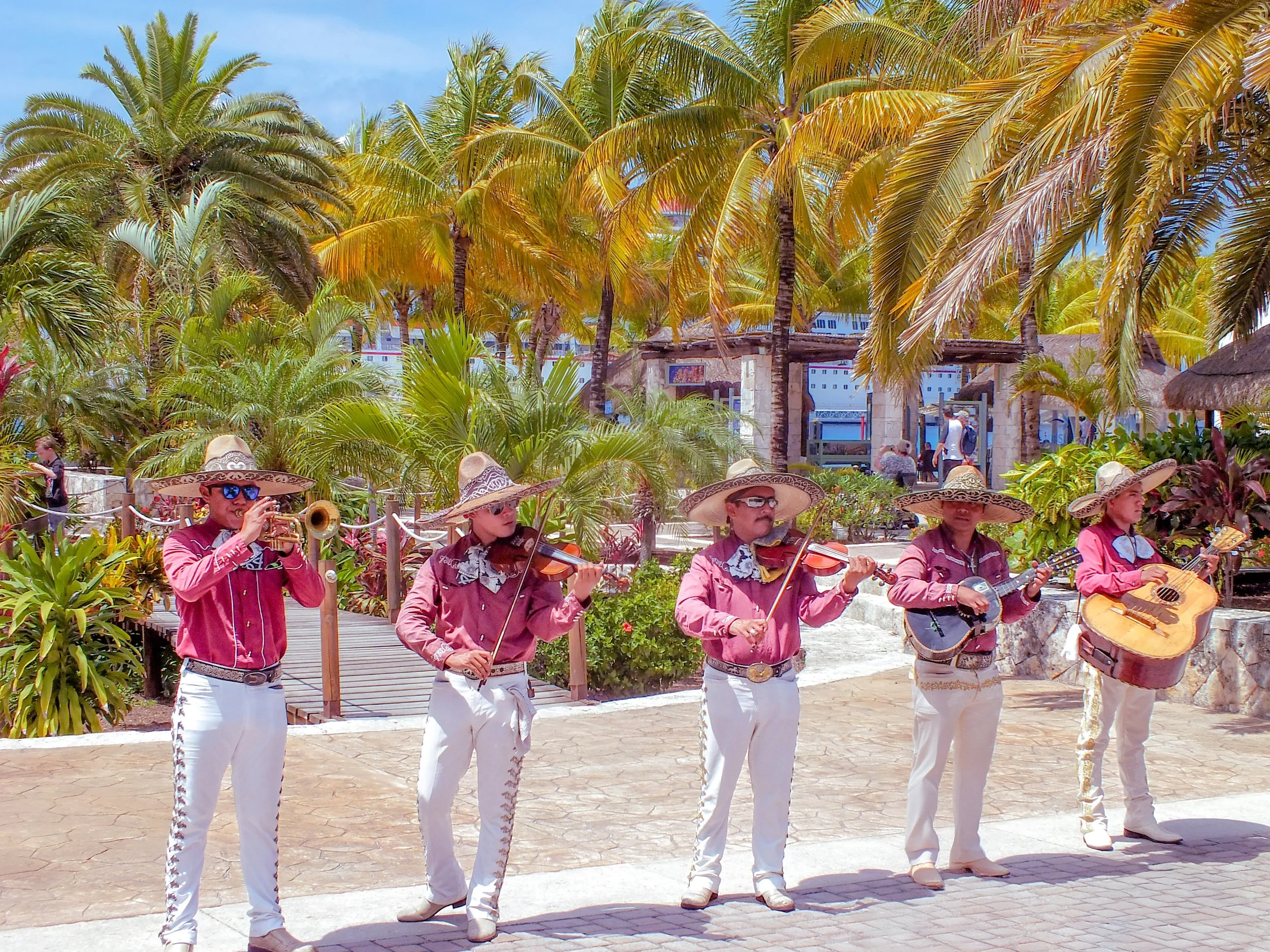
From a photographic perspective, the Yucatán presents an extraordinary combination of subjects. Ancient stone structures, traditional performers, colorful cultural expressions, and the interaction between people and their surroundings provide opportunities to explore photography beyond conventional landscape imagery.
It was this combination of history, architecture, and human expression that helped me recognize the importance of cultural storytelling in travel photography.

Learning to See Beyond the Photograph
My first attempt at travel photography was also a learning experience in observation.
When you are new to photographing unfamiliar places, it is easy to become preoccupied with the camera, the settings, and the desire to capture something impressive. But the more I explored, the more I began to understand that the photograph starts before the shutter is released.
It begins with observation.
It begins with recognizing the relationship between light and shadow, the significance of a particular setting, the expressions of people, and the small details that others might overlook.
A photograph of an ancient structure is not simply a picture of a building. It can represent the achievements, beliefs, and history of a civilization.
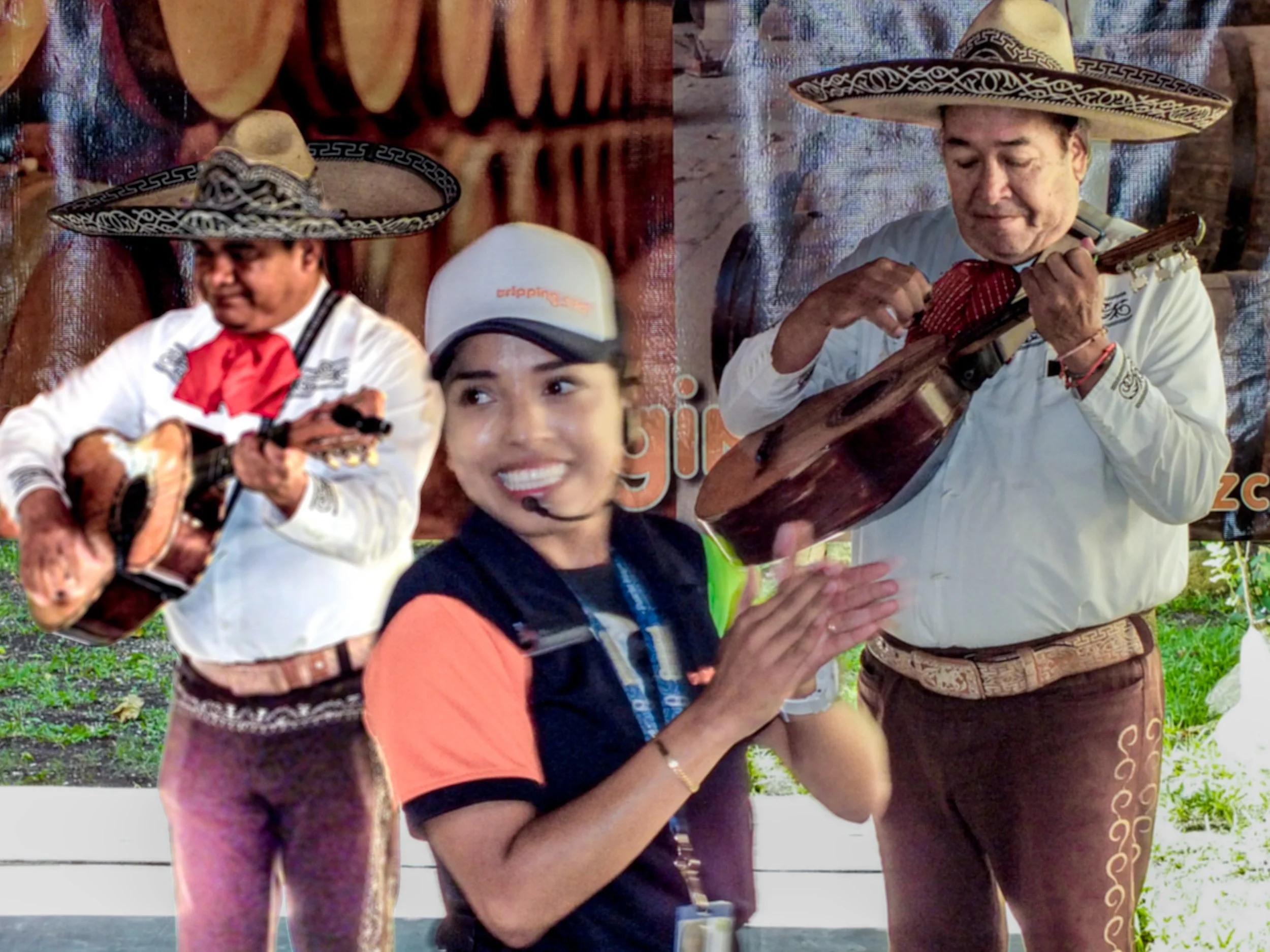
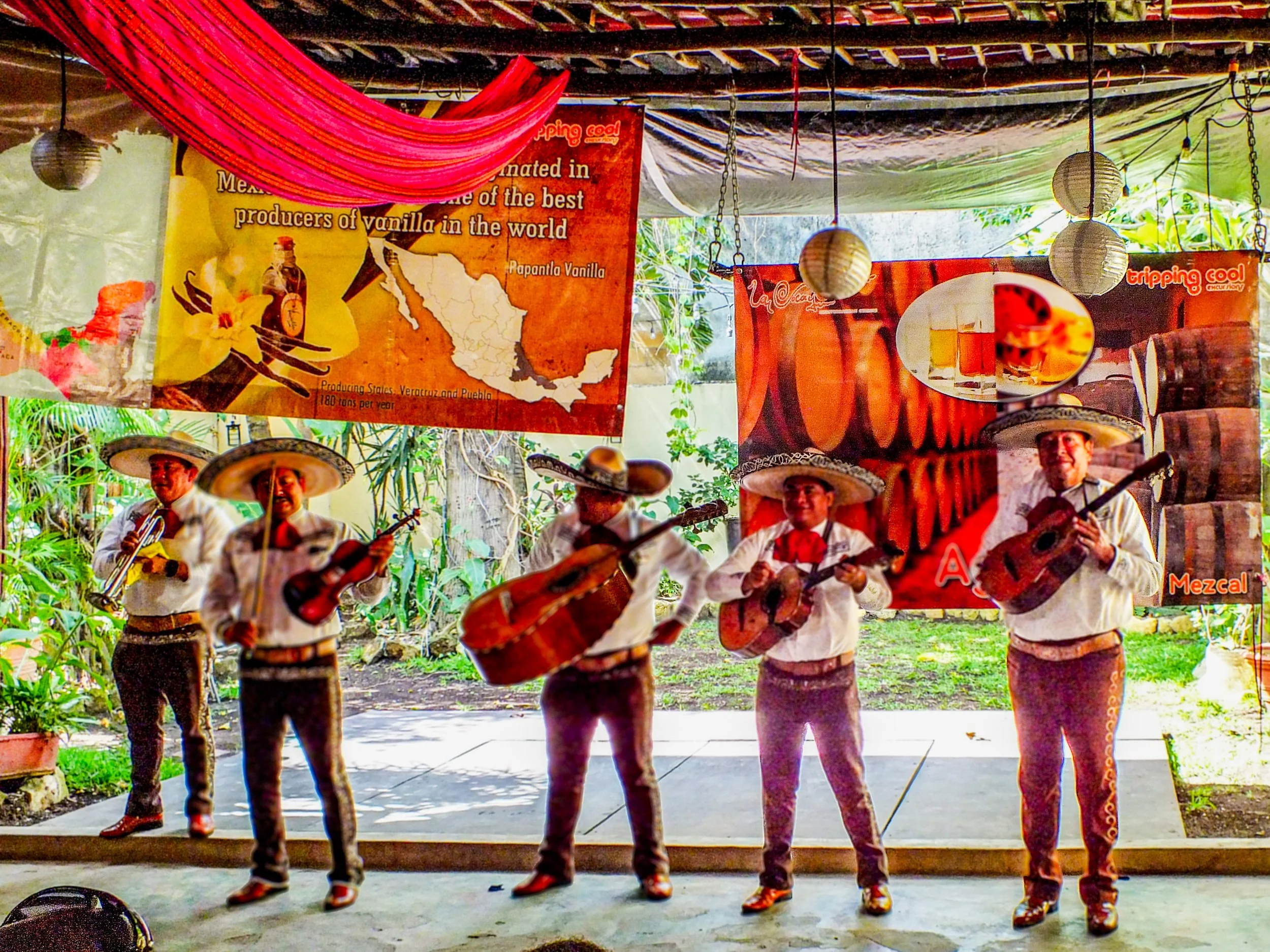
A photograph of a traditional musician is not simply a record of a performance. It can communicate the continuation of cultural traditions and the importance of music in community life.
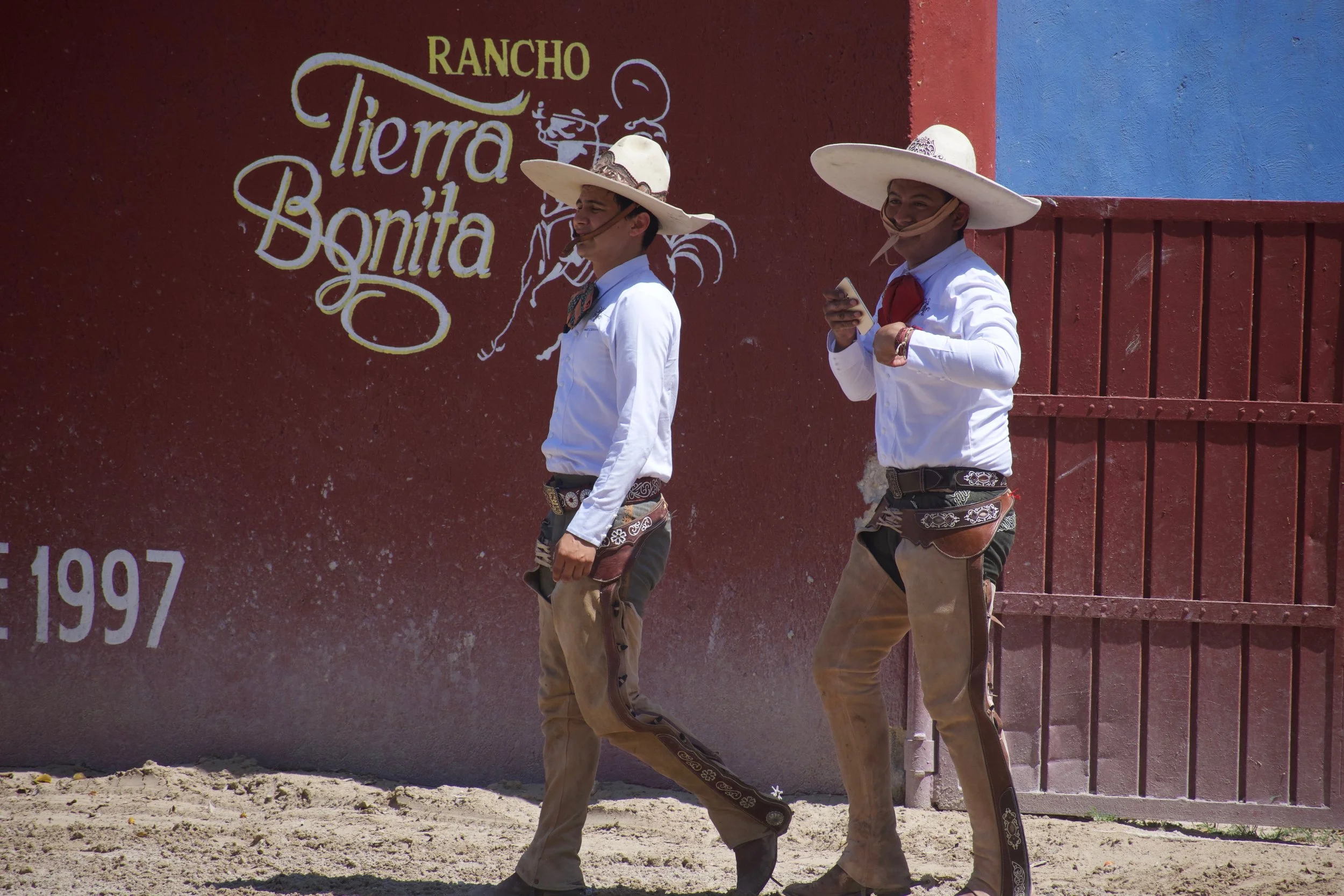
A photograph of a person in their everyday environment can reveal something about the character of a place that no tourist brochure could adequately communicate.
I was beginning to understand that meaningful travel photography requires more than arriving at a destination and pointing a camera toward something interesting. It requires curiosity, patience, and a willingness to become an observer of the world around you.
The Photographs: Moments That Became Memories
The photographs accompanying this story represent some of my early explorations into travel photography.
They preserve visual impressions of Mexico's cultural character, historical structures, traditional performers, and the distinctive environments that made the journey memorable.
Looking at these images today, I can appreciate them from a different perspective. I see more than the individual subjects. I see the beginning of a photographic philosophy that would continue to develop through subsequent journeys.
My approach to photography has evolved, and my understanding of what makes an image meaningful has matured. Yet these early photographs remain important because they remind me where the journey began.
Every photographer has a starting point. Sometimes the most important photographs in a person's development are not necessarily the most technically accomplished. They are the photographs that encourage us to look again, explore further, and discover what we are capable of seeing.
From First Attempt to Photographic Perspective
Travel photography eventually became more than an interest in documenting destinations. It became an opportunity to explore the relationship between place, culture, history, and human experience.
My journey through Cozumel and the Yucatán helped establish that foundation.
Today, through Digital Age Travel Photography, I approach my work with a greater appreciation for the photograph as a form of visual communication and artistic expression. My objective is not simply to show viewers where I have traveled, but to offer them a perspective on what I encountered along the way.
I believe that a meaningful photograph should do more than occupy space on a wall. It should invite curiosity, stimulate conversation, establish an emotional connection, and give the viewer a reason to return to it.
That philosophy continues to influence how I approach each new destination and each photographic collection.
The Journey Continues
Looking back at my first attempt at travel photography, I recognize that I was beginning a journey without fully knowing where it would lead.
Cozumel and the Yucatán gave me an opportunity to explore, experiment, and begin developing my eye as a photographer. They introduced me to the possibilities of cultural storytelling and helped me recognize that the world offers an endless variety of subjects worth observing and preserving.
The camera became more than a piece of equipment. It became a means of connecting with the world and communicating those experiences through images.
This is where my journey began. And in many ways, every photograph I create today carries a little of that beginning with it.
Capture & Connect.
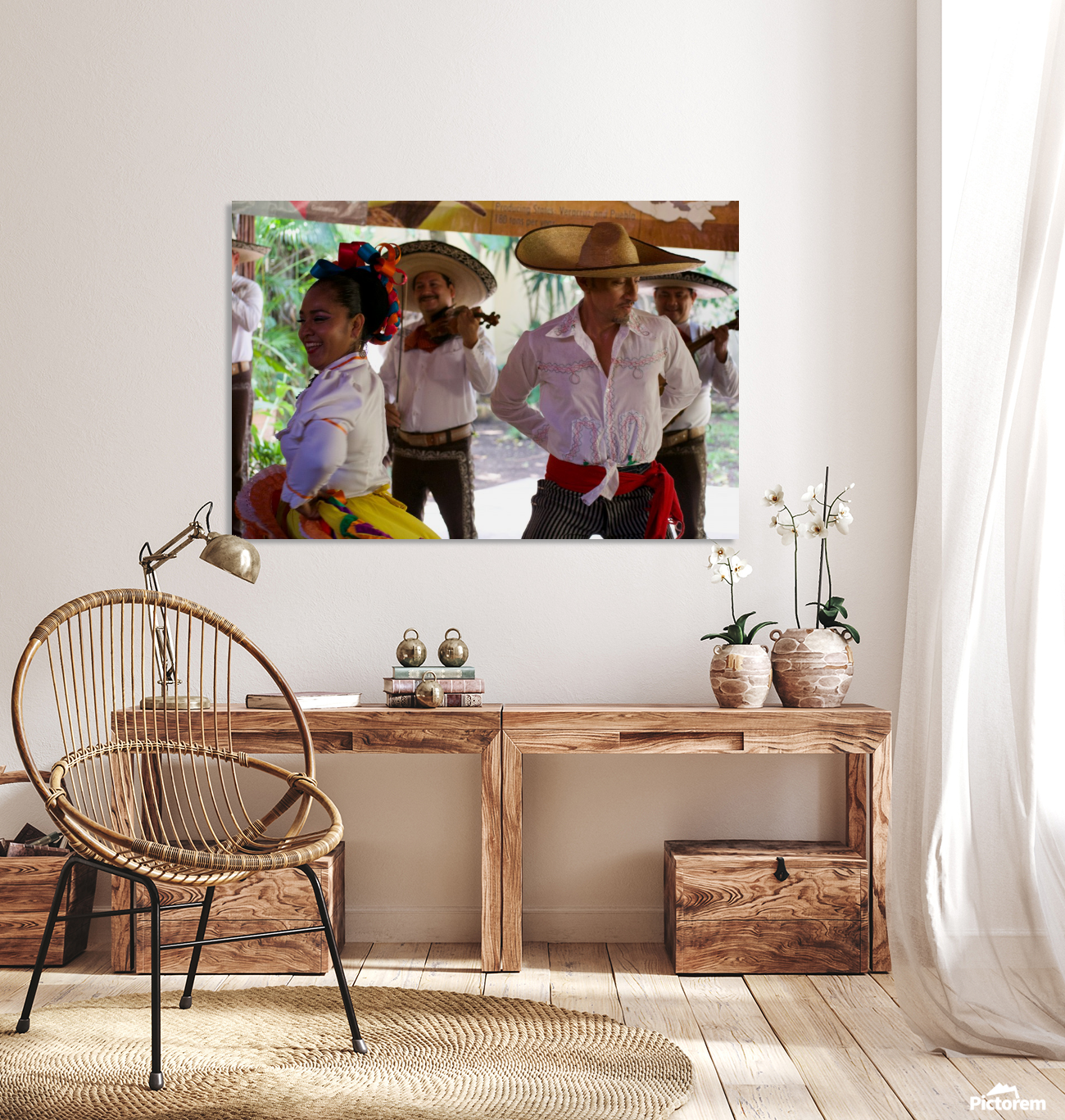
The journey of travel photography — from the photographer's perspective to the collector's perception.
W. Mitchell Lumpkin
Travel Photographer | Fine Photographic Art
Digital Age Travel Photography
Explore the collection at Digital Age Travel Photography.
W Mitchell Lumpkin
Fine Photographic Art