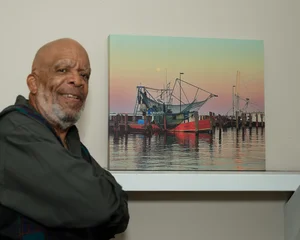


Bringing the Beauty, Culture, and Spirit of the World into Your Living Space
By W Mitchell Lumpkin | Digital Age Travel Photography
Introduction: More Than Something to Hang on a Wall
A home is more than a place to live. It is a reflection of who we are, what we value, where we have been, and the experiences that have shaped our lives. The artwork we choose to display becomes part of that personal expression, communicating something about our identity, interests, memories, and aspirations.
Fine art travel photography offers a unique way to bring the world into your home. Through the photographer's PERSPECTIVE, a familiar street becomes a story, an architectural detail becomes a study in beauty, and an ordinary moment becomes a lasting connection to a place and its people.
Unlike artwork selected solely to match a room's color scheme, travel photography can offer something more meaningful: a visual experience that continues to inspire long after the first viewing.
Whether you are decorating a new home, refreshing an existing space, or beginning a personal art collection, choosing the right photographic artwork requires more than finding an attractive image. It involves understanding the relationship between the photograph, the space it occupies, and the emotional response it creates.
At Digital Age Travel Photography, we believe that the journey of photographic art extends from the photographer's creative PERSPECTIVE to the collector's personal PERCEPTION. Understanding that relationship can help you select artwork that feels authentic to you and meaningful within your home.
1. Choose Photography That Speaks to You
The first question to ask when selecting fine art travel photography is not, "Will this match my furniture?" Instead, ask yourself, "What does this photograph make me feel?"
Perhaps you are drawn to the energy of a busy city street, the quiet beauty of a coastal landscape, the architectural character of an historic neighborhood, or the expressive details of everyday life in another culture.
A photograph may remind you of a place you have visited, awaken a desire to explore somewhere new, or introduce you to a perspective you have never considered.
These emotional connections are important because artwork becomes part of your daily environment. You will encounter it repeatedly, often discovering new details and meanings as your experiences change.
When evaluating a photograph, consider these questions:
Does the image evoke a feeling, memory, or sense of curiosity?
Am I attracted to its subject, composition, colors, or atmosphere?
Does the photograph tell a story that I want to revisit?
Can I imagine enjoying this artwork for years rather than simply following a decorating trend?
The strongest choice is often the photograph that creates a personal connection, even when it is not the most obvious match for the room.
2. Understand the Difference Between a Travel Picture and Fine Art Photography
Not every photograph taken during a journey is intended to function as fine art. Travel photography can document a destination, preserve a memory, communicate information, or express an artistic vision.
Fine art travel photography places particular emphasis on the photographer's interpretation of a subject. Composition, light, color, timing, perspective, and visual storytelling work together to create an image that communicates something beyond the literal scene.
Consider a photograph of a street in Havana, Cuba. One image might simply record the buildings, vehicles, and people present at a particular moment. Another might use the interplay of light and shadow, the character of the architecture, and the movement of everyday life to communicate the atmosphere and cultural personality of the place.
Both photographs may have documentary value. The second, however, may offer a more developed artistic interpretation of the scene.
When choosing artwork for your home, look beyond the destination itself. Consider how the photographer has interpreted the subject and whether that interpretation resonates with your own way of seeing the world.
A meaningful photograph does not need to depict a famous landmark. Sometimes the most compelling images reveal the character of a place through an unexpected detail, a quiet moment, or an ordinary scene presented with extraordinary sensitivity.
3. Select Artwork That Complements Your Living Space
Once you have identified photographs that speak to you, consider how they will interact with the room in which they will be displayed.
Fine art photography can complement a space without disappearing into it. The goal is to establish a visual relationship between the artwork, the furnishings, the architecture, and the atmosphere you want to create.
Living Rooms
The living room often provides an opportunity to display a larger photographic print or a carefully arranged collection. Strong architectural images, sweeping landscapes, and expressive street photography can create a focal point above a sofa, fireplace, or console.
A large photograph can establish the room's visual direction, while a coordinated grouping of smaller prints can introduce several related stories.
Bedrooms
Bedrooms often benefit from imagery that encourages reflection and relaxation. Coastal scenes, atmospheric landscapes, and quieter architectural photographs may complement the room's more intimate character.
Consider how the image makes you feel at the beginning and end of the day.
Dining Rooms
Dining areas provide an opportunity to introduce photographs that encourage conversation. Cultural street scenes, colorful markets, architectural details, and images of daily life can invite guests to explore the story behind the artwork.
Home Offices and Creative Spaces
A home office can benefit from photographs that inspire curiosity, concentration, and creative thinking. Images of distinctive cities, historic structures, or unfamiliar landscapes can serve as visual reminders of the possibilities that exist beyond your immediate surroundings.
Whatever room you choose, allow the photograph to contribute to the experience of the space rather than treating it as a decorative afterthought.
4. Consider Color, Light, and Composition
Color is often the first visual element people notice when selecting artwork. A photograph containing blues and greens may complement a room with natural materials and cool tones, while warmer colors can bring energy and visual richness to a neutral interior.
However, color coordination should not become a restriction. A photograph with a contrasting palette can provide the visual interest that makes a room memorable.
Light is equally important. A photograph characterized by soft, diffused light may communicate calmness, while dramatic shadows and strong highlights can create intensity and depth.
Composition also influences how a photograph interacts with its surroundings.
Open compositions with generous negative space can create a sense of calm and visual breathing room.
Architectural compositions can introduce structure, geometry, and rhythm.
Layered street scenes can offer complexity, movement, and opportunities for repeated discovery.
Expansive landscapes can create a sense of openness and extend the visual boundaries of a room.
Think about the overall atmosphere you want to create, but do not overlook your own emotional response. The most successful artwork often balances the needs of the space with the individuality of the collector.
5. Choose the Right Print Size and Placement
Even an exceptional photograph can lose its impact if it is displayed at an inappropriate scale.
A print that is too small may feel disconnected from a large wall, while an oversized image may overwhelm a compact room. Before purchasing, measure the available wall space and consider the furniture and architectural features surrounding it.
For artwork displayed above a sofa or console, a useful starting point is to choose a piece or grouping that occupies roughly two-thirds of the furniture's width. This is a guideline rather than a strict rule; the proportions of the room and the photograph should ultimately determine the arrangement.
Consider the following approaches:
One statement piece: A large photographic print can become the defining visual feature of a room.
A coordinated series: Two or three photographs from the same destination can create continuity while allowing each image to retain its individual character.
A gallery arrangement: Several photographs can tell a broader story through related subjects, colors, compositions, or travel experiences.
A quiet, intimate display: A smaller print can be especially effective in a reading corner, hallway, or personal workspace where viewers can appreciate its details at close range.
Pay attention to viewing distance, natural light, and glare. Artwork should be placed where it can be comfortably viewed and appreciated without competing unnecessarily with windows, televisions, or other strong visual elements.
6. Understand Print Quality, Paper, and Presentation
Fine art photography is not only about the image file. The physical print and its presentation influence how the photograph looks, feels, and endures.
When evaluating a print, consider the following factors:
Print quality: Look for clear detail, controlled tonal transitions, and colors that support the photographer's artistic intention. Ask about the printing process and the materials used.
Paper or print medium: Different surfaces create different visual effects. Matte papers can offer a subdued, low-glare presentation, while other photographic papers may produce richer blacks, stronger contrast, or a more luminous appearance.
Framing: A frame can define the artwork and connect it to the surrounding interior. Simple, understated frames often allow the photograph to remain the primary focus.
Edition information: Determine whether the work is part of a limited edition or an open edition, and review any documentation supplied by the artist. Edition size can contribute to a work's collectibility, but it does not guarantee future appreciation or investment returns.
Care and display: Ask about appropriate lighting, cleaning, and protection from moisture or prolonged direct sunlight. These precautions help preserve the print's appearance over time.
A well-presented photographic print allows you to experience the artist's creative decisions as a physical object rather than merely viewing an image on a screen.
7. Build a Collection That Reflects Your Personal Story
You do not need to purchase all your artwork at once. Collecting can develop gradually as you discover photographers, destinations, and artistic styles that resonate with you.
Some collectors organize their collections around a particular region, such as the Caribbean or the American Gulf Coast. Others focus on architecture, cultural expression, street photography, or the relationship between people and their environments.
You might also select photographs based on personal experiences: places you have visited, destinations that have influenced your imagination, or cultures you want to understand more deeply.
A cohesive collection does not require every photograph to look alike. Instead, it can be unified by a recurring interest, an emotional theme, or a shared appreciation for the photographer's way of seeing.
Over time, the collection becomes more than an arrangement of pictures. It becomes a visual record of your interests, discoveries, and evolving PERCEPTION of the world.
8. Think Beyond Decoration: Consider the Story
One of the most rewarding aspects of collecting travel photography is discovering the story behind an image.
What drew the photographer to the location? What was happening when the photograph was made? Why did the artist choose that particular composition rather than another?
Understanding these questions can deepen your appreciation of the artwork. A photograph of an old building, for example, may become more compelling when you understand its architectural character or its place within a community's history.
Cultural sensitivity matters as well. When selecting photographs depicting people and communities, consider whether the images present their subjects with dignity and whether the accompanying context respects the complexity of the place.
A thoughtful photograph invites you to look more carefully. It can challenge assumptions, introduce unfamiliar experiences, and remind you that every destination contains stories that extend beyond the tourist's first impression.
This is where photographic art becomes especially meaningful. The image offers a point of connection between the person who created it, the place it represents, and the person who chooses to live with it.
9. Establish a Budget Without Losing Sight of Value
Fine art travel photography is available at a range of price points, depending on the artist, print size, production method, edition structure, and presentation.
Before purchasing, establish a comfortable budget and decide whether you are looking for a single statement piece or several photographs that will gradually form a collection.
Compare the actual artwork and what is included in the purchase. Is the print signed? Is it framed? Is edition information supplied? Are shipping and installation costs included?
If you are purchasing directly from a photographer, learning about the artist's process and the materials used can help you make an informed decision.
Do not assume that the most expensive photograph will be the most meaningful to you. Nor should a low price automatically determine your choice.
The purpose of collecting is to acquire work that offers lasting personal, aesthetic, or cultural value. Although some photographic works may appreciate in value, future resale prices are uncertain. Choose artwork primarily because you appreciate it and want to live with it.
10. Choose Art That Continues to Reward Your Attention
The best artwork does not always reveal everything immediately.
A photograph may initially attract you because of its color or composition. Later, you may begin noticing a detail in the background, a subtle relationship between shapes, or an expression that changes your understanding of the scene.
These discoveries are part of the experience of living with photographic art.
When choosing a print, consider whether the image offers enough depth to remain interesting beyond the first impression. Does it invite you to look again? Does it create questions? Does it connect with your memories or expand your understanding of another place?
Your answers can help distinguish a photograph that simply fills a wall from one that becomes a meaningful part of your environment.
Ultimately, the right photograph is not necessarily the one that attracts the most attention from visitors. It is the one that continues to speak to you.
Conclusion: Your Home, Your Story, Your PERSPECTIVE
Choosing fine art travel photography for your home is an opportunity to bring your relationship with the world into your personal surroundings.
The process begins with an emotional connection, develops through an understanding of artistic vision and presentation, and concludes with a choice that reflects your individual taste and values.
As you explore photographic artwork, remember that you are not simply selecting an image of a destination. You are choosing an interpretation of a place, shaped by the photographer's creative PERSPECTIVE and completed through your own PERCEPTION.
At Digital Age Travel Photography, we celebrate that connection between the person behind the camera and the person who lives with the finished artwork.
Whether you are drawn to the historic streets of Havana, the distinctive character of the Gulf Coast, or the architectural and cultural details discovered along the way, let your collection reflect the places, experiences, and ideas that matter to you.
Choose photography that makes you look again. Choose art that makes you feel something. Choose images that bring the world a little closer to home.
Discover Fine Art Travel Photography
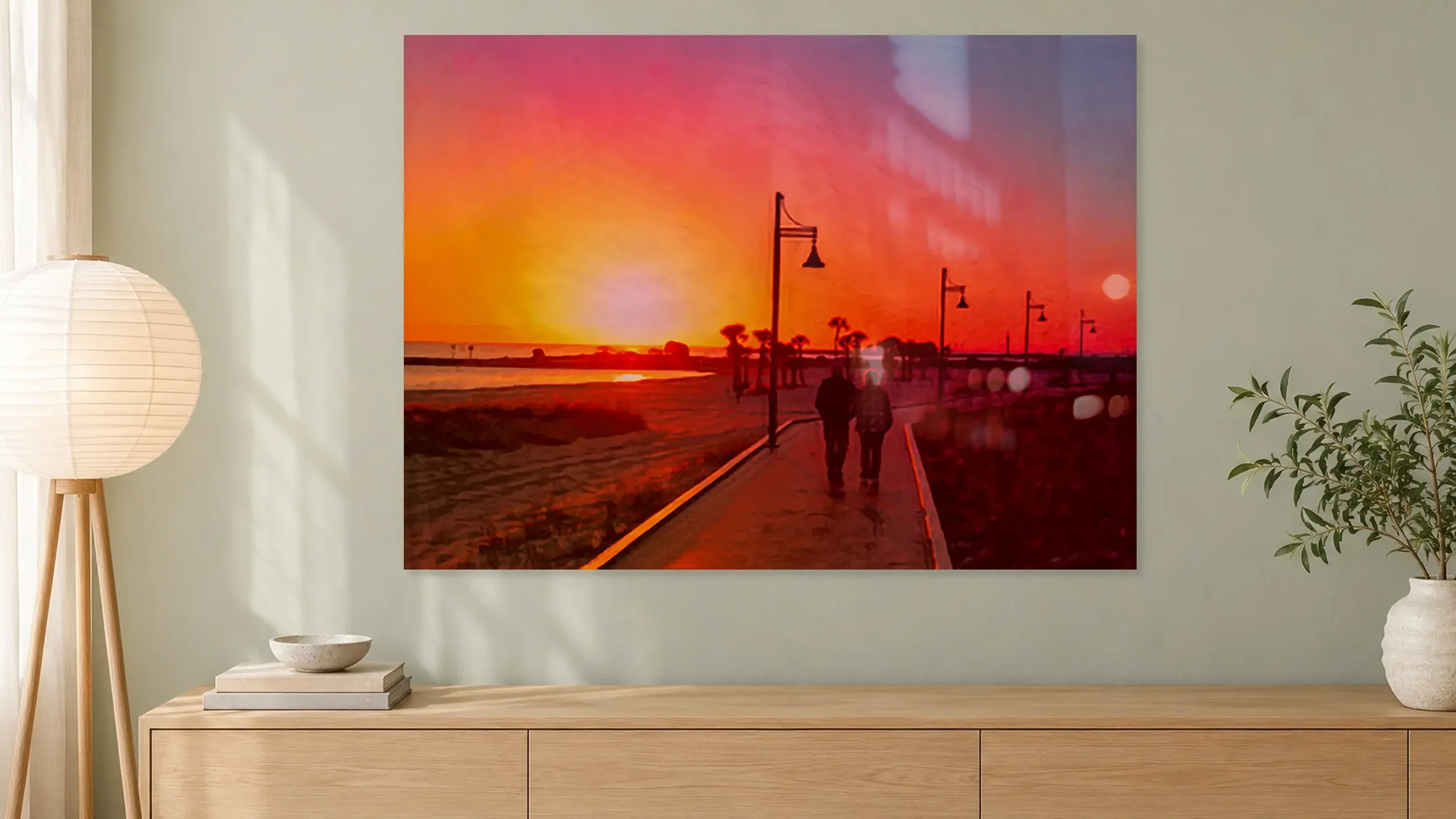
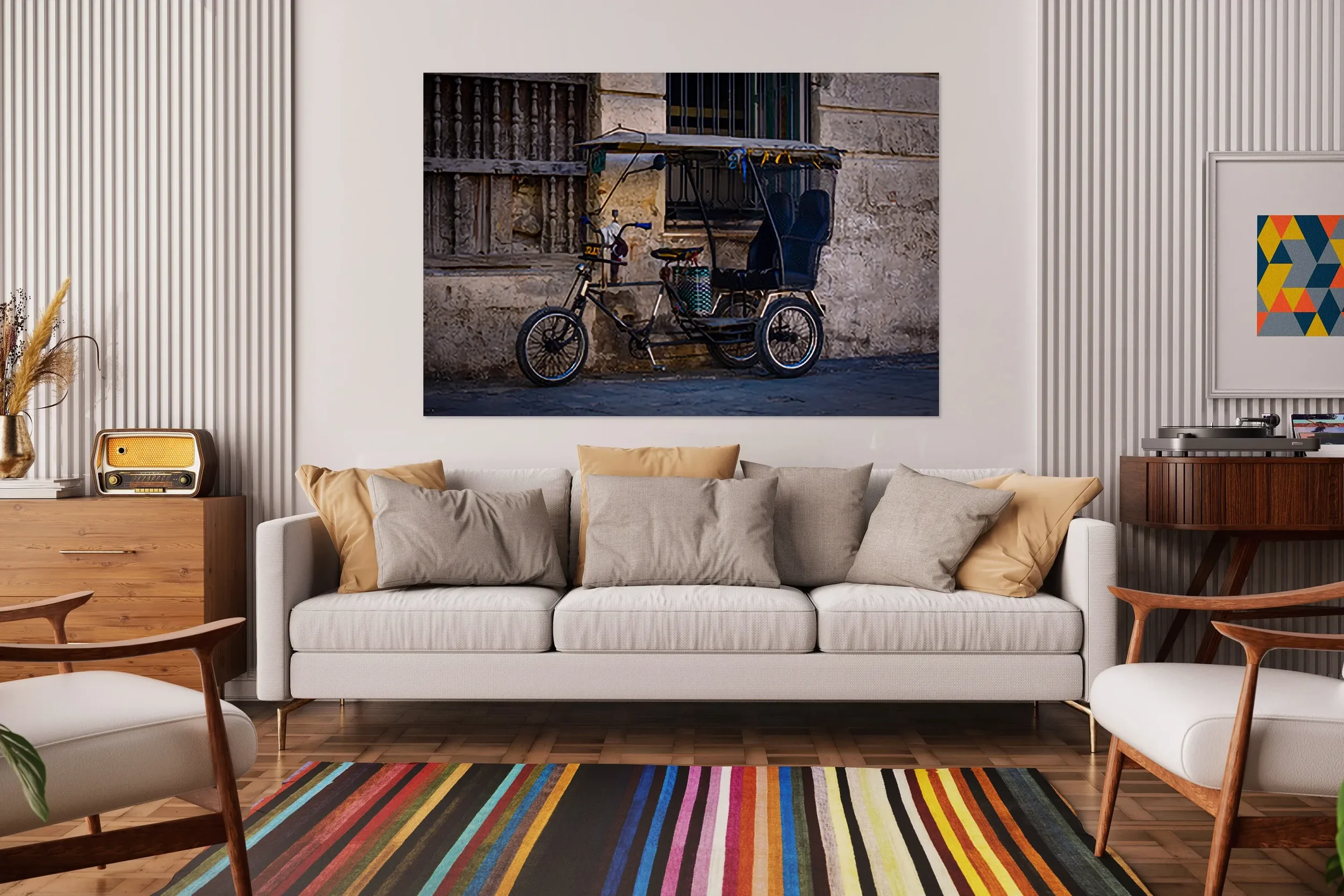
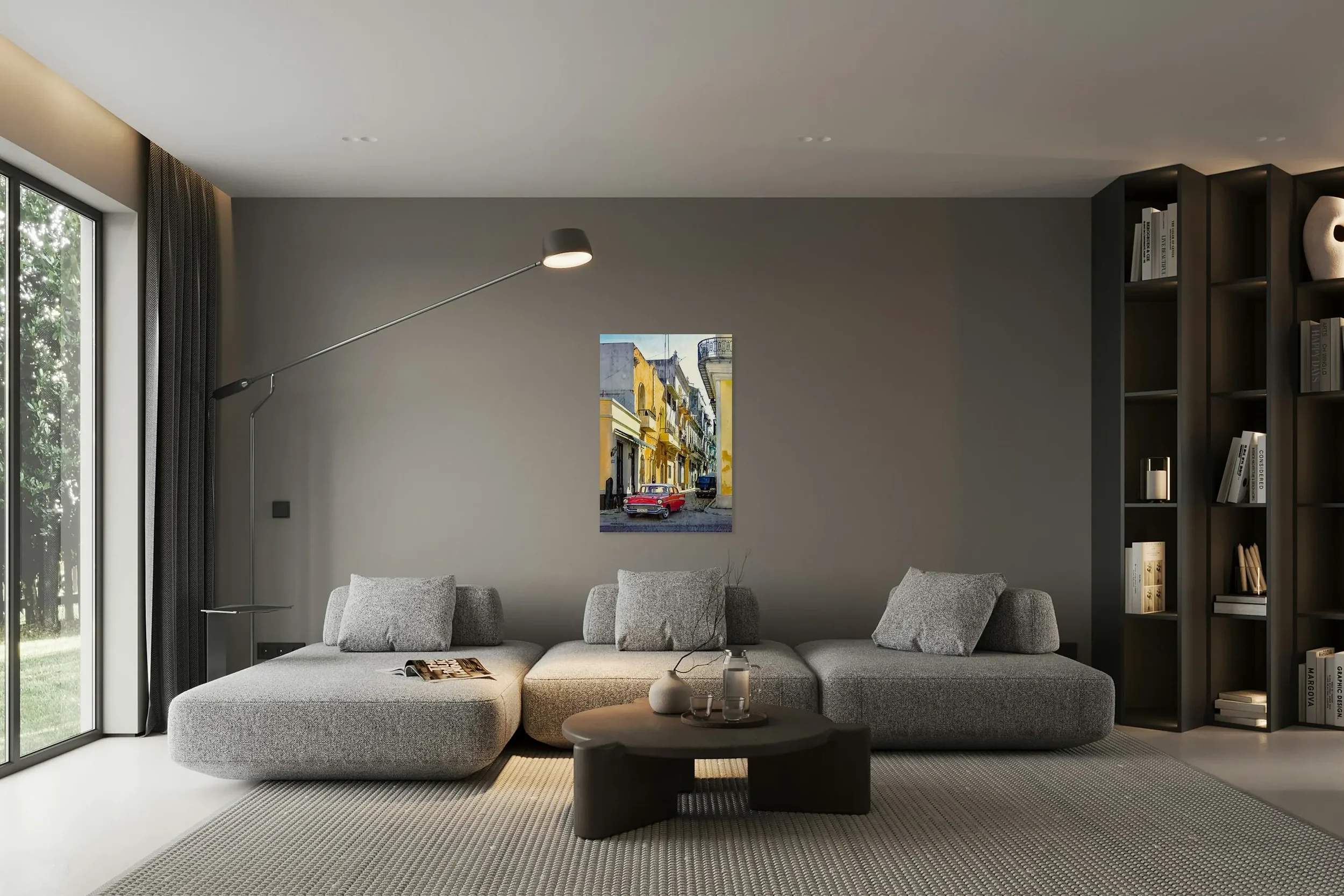
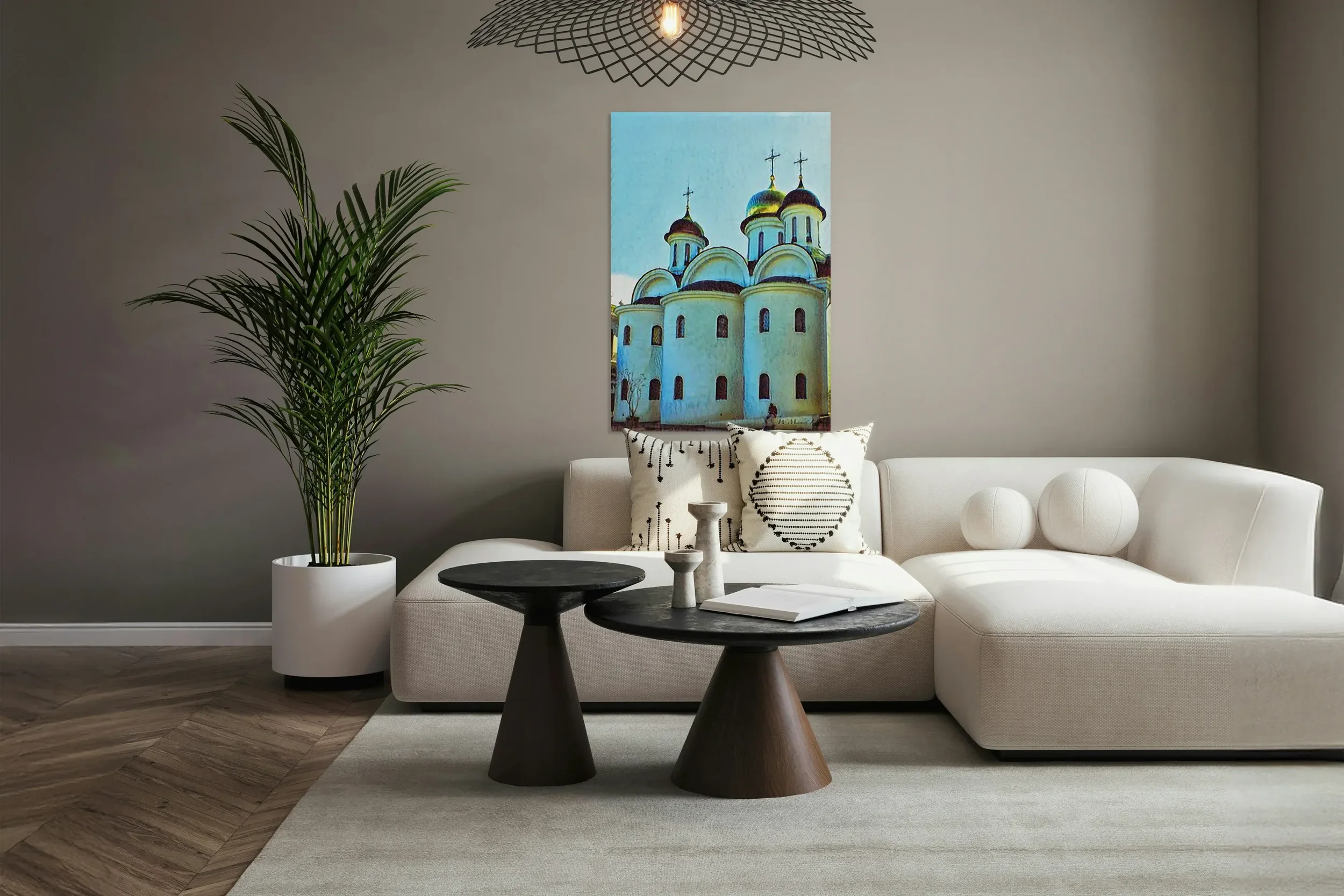
Explore the photographic collections of Digital Age Travel Photography and discover images inspired by places, people, architecture, and the experiences that make travel meaningful.
Whether you are a collector searching for a distinctive piece for your home or an interior designer seeking photographic artwork for a residential or commercial space, let the journey begin with an image that speaks to you.
Visit Digital Age Travel Photography to explore the collections and discover the art of seeing the world through a different PERSPECTIVE.